
Scanxiety: 8 Gentle Ways to Calm Anxiety While Waiting for Cancer Test Results
Waiting for cancer test results can bring an overwhelming wave of fear and uncertainty—often referred to as scanxiety. Whether you’re undergoing testing, awaiting a diagnosis, or checking for recurrence, this emotional space can feel heavy and all-consuming. The good news is that there are gentle, effective ways to calm anxiety, support your nervous system, and feel more grounded while you wait.
Waiting for cancer test results can bring an overwhelming wave of fear and uncertainty—often referred to as scanxiety. Whether you’re undergoing testing, awaiting a diagnosis, or checking for recurrence, this emotional space can feel heavy and all-consuming.
The good news is that there are gentle, effective ways to calm anxiety, support your nervous system, and feel more grounded while you wait.

When the waiting feels heavy
What is Scanxiety
There’s a unique kind of anxiety that comes with medical testing—especially when it involves cancer.
It’s the waiting. The unknown. The quiet moments where your mind fills in the blanks.
This experience has a name: scanxiety. And if you’re feeling it, you’re not alone.
Whether you’re awaiting a diagnosis, checking for recurrence, or simply navigating follow-up imaging, this period can feel overwhelming. But there are ways to support your body, calm your mind, and create a sense of steadiness—even here.
Let’s walk through a few gentle, supportive steps
8 Gentle Ways to Calm Scanxiety
1) Come Back to the Present Moment
Scanxiety often pulls you into the “what ifs.”
What if it’s back? What if it’s worse? What if…?
The truth is, your body is only ever in the present moment.
Try this:
Place one hand on your heart, one on your belly
Take a slow inhale through your nose for 4 seconds
Exhale slowly for 6 seconds
Repeat for 2–3 minutes
This simple practice helps regulate your nervous system and reminds your body: you are safe right now.
2) Limit the Mental Spiral
It’s natural to want answers—but endless Googling or overanalyzing symptoms often fuels anxiety rather than easing it.
Create a gentle boundary with yourself:
Set a “worry window” (10–15 minutes a day to process thoughts)
Outside of that window, redirect your attention to something grounding
This isn’t about suppressing your feelings—it’s about not letting them take over your entire day.
3) Nourish Your Body (Even When It’s Hard)
Stress can impact appetite, digestion, and energy. But your body still needs support—especially now.
Focus on:
Simple, nourishing meals (soups, smoothies, warm bowls)
Hydration (add lemon, herbal teas, or electrolytes)
Protein and healthy fats to stabilize blood sugar
Think of this as an act of self-trust: I am taking care of myself, no matter the outcome.
4) Move Gently to Release Tension
Anxiety isn’t just in your mind—it lives in your body.
Even light movement can help:
A slow walk outside
Gentle stretching or yoga
Shaking out your arms and legs for 1–2 minutes
Movement signals to your body that it can release what it’s been holding.
5) Create Anchors of Calm in Your Day
These become touchpoints your nervous system can rely on.
When everything feels uncertain, routine can be incredibly grounding.
Choose 2–3 small anchors:
Morning sunlight + tea
A short walk after lunch
A calming nighttime ritual (magnesium, journaling, breathwork)
6) Let Yourself Feel What Comes Up
You don’t have to be strong all the time.
Scanxiety can bring waves of fear, sadness, anger, even numbness. All of it is valid.
Instead of pushing it away, try:
Journaling your thoughts without filtering
Saying out loud: “This is really hard right now”
Letting yourself cry, if needed
Emotions move when they are acknowledged.
7) Lean Into Support
You were never meant to carry this alone.
Reach out to:
A trusted friend or family member
A support group
A practitioner who understands this journey
Sometimes, just being witnessed in your experience can bring immense relief.
8) Gently Remind Yourself What Is True Today
When your mind drifts into fear, come back to what is real right now.
You might say:
“I don’t have all the answers yet, and that’s okay.”
“Today, I am here. Today, I am supported.”
“I can take this one step at a time.”
You don’t need to solve the future today.
A Gentle Reminder While You Wait

This in-between time is not easy—but it can also be a place where you deepen your connection with yourself, your body, and your support system.
If you’re in this waiting space right now, I want you to know this:
You are allowed to feel scared.
You are allowed to feel uncertain.
And you are also allowed to feel moments of peace, even here.
Be gentle with yourself.
You are doing better than you think.
When to Ask For Support
If you’re navigating this season and want personalized, compassionate support, my 1:1 NOURISH program is designed to walk alongside you—before, during, and after treatment.
You don’t have to do this alone. Book a Free Recovery Call, let’s talk.
Disclaimer:
The information provided on this wellness blog is intended for general informational purposes only. It is not a substitute for professional medical advice, diagnosis, or treatment. Always seek the advice of your physician or other qualified health provider with any questions you may have regarding a medical condition. Never disregard professional medical advice or delay seeking it because of something you have read on this blog.
Reliance on any information provided by this blog is solely at your own risk. Holistic Cancer Health and its authors do not assume any liability for any loss or damage resulting from any reliance on information contained herein.
We encourage our readers to consult with healthcare professionals for individual health concerns. Always consult your healthcare provider before making any changes to your medical regimen. Thank you for understanding.

The Power of Nutrition in Preventing & Reversing Cancer
It all begins with an idea.

Food Matters
No matter what you’ve heard, food does matter. But if food is so important why didn’t my oncologist give me a food plan? Why wasn’t I sent to a nutritionist the moment I was diagnosed?
I asked these questions myself. When I woke up from my colonoscopy and my gastroenterologist laid the serious news on me: “This looks like cancer, I’m treating it like it’s cancer, I’m referring you to an oncologist and surgeon”. My husband asked him what I should be eating he said, “she can eat whatever she wants.” Okay no help there, I’m mean we are taking about a cancer in my digestive tract, shouldn’t I be concerned with what I’m putting in there?
My hunch told me I needed to step up my food game. I was already a pretty healthy eater, I like vegetables and salads, but I figured I must be missing something. So off to my Naturopath, surely she would have some suggestions.
Boy was I disappointed. I told her I had been eating a mostly raw vegan diet since my diagnosis and asked her opinion on diet. She told me she tells her cancer patients to eat ice cream every night so they don’t lose too much weight during treatment.
I realized at that moment I was going to have to put together my own wellness plan for cancer so I dug deep.
When it comes to cancer, prevention and recurrence aren’t just medical conversations — it’s deeply personal. As a woman navigating the complexities of healing, I deserve to know that food is not just fuel; it’s information. It’s medicine. And it’s one of the most powerful tools I have to protect and rebuild my body.
Two leading voices in integrative oncology, Dr. Tony Jimenez and Dr. William Li, have spent decades exploring how nutrition influences the terrain of our health. Their work has helped me design a more, empowered approach to cancer prevention and healing.
Insights from Dr.Tony Jimenez & Dr. William Li
Your Internal Terrain Matters
According Dr Jimenez (founder of Hope4Cancer), “Cancer is not a disease of the cell, but of the terrain”. This means that cancer doesn’t just happen randomly- it grows in a body whose internal environment (or “terrain) allows it to. So by choosing healing foods you can create a biological environment where cancer cannot thrive.
Feeding the Body, Starving the Cancer
Dr William Li, a Harvard-trained physician and author of Eat to Beat Disease, explains how certain foods have anti-angiogenic properties, meaning they starve cancer by cutting off its blood supply. He teaches that we can eat foods that:
Block cancer cell growth
Support our immune system
Reduce inflammation
Repair DNA
Promote health stem cell regeneration
And the best news is that these are not rare or expensive foods - they are found at your local grocery store. Berries, cruciferous vegetables, green tea, mushrooms, tomatoes, turmeric, olive oil, garlic, and leafy greens.
Dr Li reminds us: “Food is the fuel for the body’s defense systems. When we eat intentionally, we can activate our health defenses every single day.”
Your Plate is Power
Nutrition isn’t a side note. It’s front-line defense. It’s a tool you have access to today and every day. That’s why I tell my clients:

Every bite is an opportunity to nourish your body, support your healing and say “yes” to the life you want.
Practical Tips to Start Eating for Prevention and Healing
🍇 Focus on Color: Eat the rainbow - especially greens, reds, purples, and oranges - to get the widest range of anti-oxidants.
🥒 Go Plant Strong: Vegetables, herbs, spices, and fruits are your anti-cancer allies.
🍪 Crowd Out Processed Foods: Reduce sugar, refined carbs (pasta, bread, pretzels, crackers) and ultra-processed snacks that feed inflammation and oxidative stress.
🍵 Drink Herbal Teas & Filtered Water: Hydration supports detoxification pathways and metabolic repair. A dehydrated body is an acidic one. Cancer thrives in acid. The EGCG (epigallocatechin gallate) in green tea has been shown to induce cancer cell death. Studies have also suggested a link between green tea consumption and lower cancer risks for certain types, including breast and colon cancer, So drink plenty of green tea, or better yet the highly concentrated Matcha, which is green tea leaves ground to a powder, you consume the whole leaf!
🫙 Support Your Gut: Fermented foods like sauerkraut, kimchi, and kefir (if you tolerate dairy) help restore your microbiome, which is essential for immuntity.
🙇🏻♀️ Eat Mindfully: How you eat matters. Stress shuts down digestion. Calm supports healing.
Nutrition Is Never Just About the Food
It’s about honoring your body - not punishing it. It’s about healing - not restriction. Preventing and recovering from cancer involves many different steps. Nutrition is a key part of a bigger healing picture.
Don’t worry, you don’t have to overhaul everything overnight. Start with one healing choice, incorporate it daily. Then another. Tiny, steady steps create a strong body and a hopeful future.
Ready to Take the Next Step?
I don’t want you to have to go through it alone, googling the latest diet and supplement for cancer.
If you would like a customized plan, based on the needs of your body - let’s talk.
Whether you are looking for support, before, during or after cancer treatment - I’m here to guide you.
Together, we’ll build a plan rooted in healing foods, lifestyle shifts, and emotional support that works for you.
Book a Free 30-minute Introductory Appointment and learn how to heal your body one bite at a time.
Until then, check out these 2 books from my recommended reading list.
Hope for Cancer, Dr Tony Jimenez
Eat to Beat Disease, Dr William Li
Disclaimer:
The information provided on this wellness blog is intended for general informational purposes only. It is not a substitute for professional medical advice, diagnosis, or treatment. Always seek the advice of your physician or other qualified health provider with any questions you may have regarding a medical condition. Never disregard professional medical advice or delay seeking it because of something you have read on this blog.
Reliance on any information provided by this blog is solely at your own risk. Holistic Cancer Health and its authors do not assume any liability for any loss or damage resulting from any reliance on information contained herein.
We encourage our readers to consult with healthcare professionals for individual health concerns. Always consult your healthcare provider before making any changes to your medical regimen. Thank you for understanding.

How I’m Rebuilding Strength & Resilience - One Habit at a Time
How to rebuild strength and resilience after illness, one habit at a time.
Healing doesn’t end when treatment does. In fact, that’s when the real rebuilding begins.
As a cancer patient and holistic practitioner, I’ve come to realize that resilience isn’t something we’re born with - it’s something we build. Gently. Consistently. Through small daily choices that stack up to create lasting change.
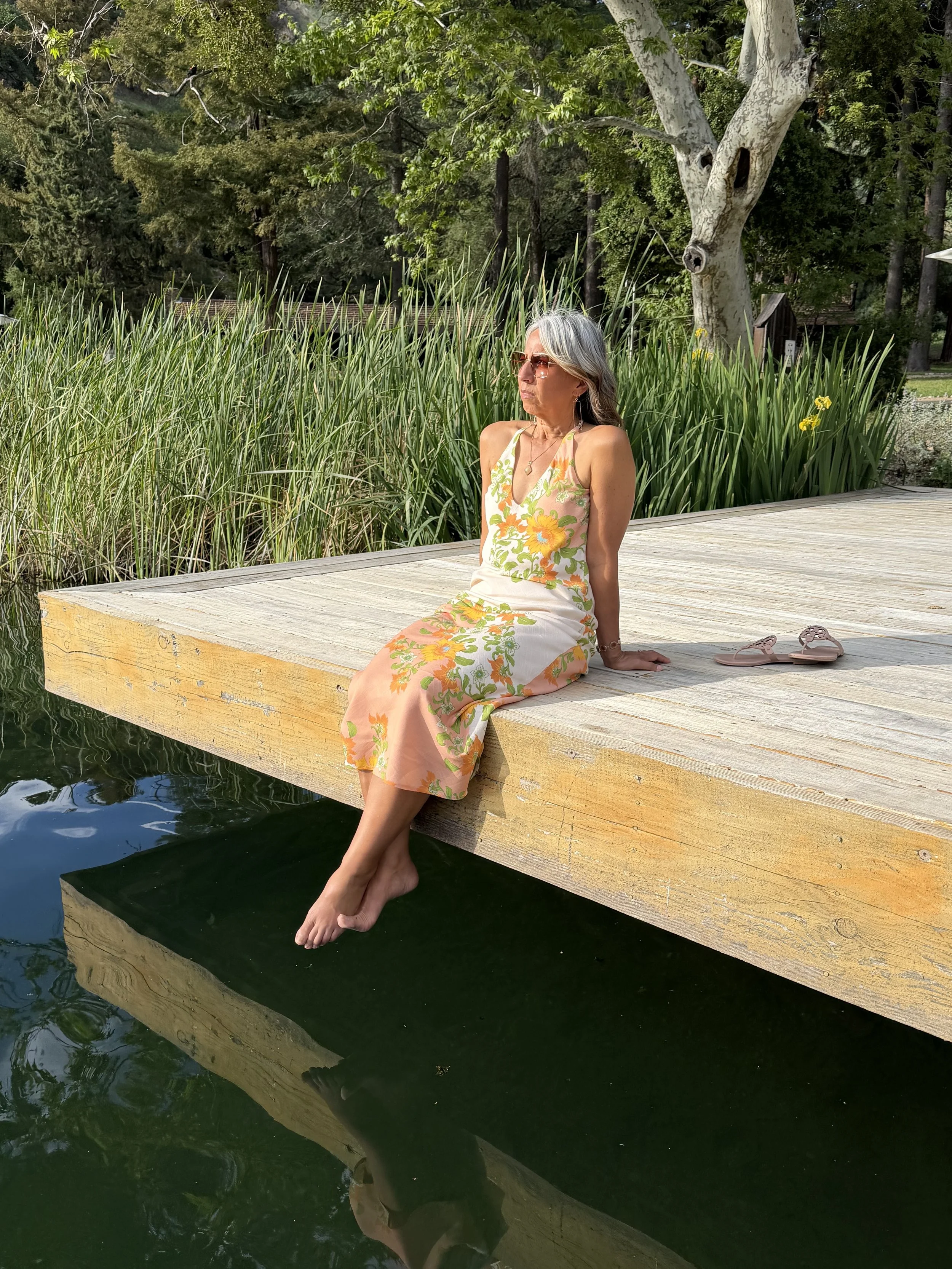
If you’re in recovery, in prevention mode, or simply ready to feel strong in your body again - this is for you. Below, I’m sharing the daily habits I’m using to rebuild my strength and support my body from the inside out.
These practices are simple, yet powerful. And you can begin today.
Start the Day With Light, Breath & Intention
Before screens or stress, I start with sunlight and stillness. Yes, for a “get it done now” type of person I am, it took some time getting this one down and of course there are some days I still hit the ground running, however most of the week starts with this.
Why it Matters:
Natural light helps reset your circadian rhythm, which improves sleep, mood, immunity, and hormone balance - all key for healing. Breathwork calms the nervous system, and intentionsetting helps me anchor into purpose.
How to incorporate it:
Step outside or sit by an open window 5-10 minutes first thing in the morning.
Take 10 deep belly breaths
Say a morning affirmation or prayer.
Choose a mantra for the day (“Today I choose peace” or “I honor where I am today, and I trust where I am going”)
Nourish With Anti-Inflammatory, Cancer-Fighting Foods
Food is information. Every meal is an opportunity to support your immune system, gut, energy, and detox pathways.
My focus:
Plant-forward meals full of color and fiber
Cruciferous veggies, garlic, berries, turmeric, mushrooms, leafy greens
Healthy fats like avocado and olive oil
Hydration with filtered water, herbal teas, and mineral-rich broths
How to incorporate it:
Batch prep veggies and cooked proteins on the weekend
Add greens to every meal and smoothie - even breakfast (Swiss chard and scrambled eggs are one of my favs)
Keep snack simple: cucumber slices, nuts, green tea, fruit with tahini
Move With Intention

I used to think I had to push hard to feel strong. Now, I know that movement should be about rebuilding- not depleting.
My approach now:
Gentle strength training 2-3x/week
Walking or hiking outside
Stretching, yoga, or mobility and balance work
Listening to my body: some days I rest, and that’s part of the plan
My favorite - DANCE
How I incorporate it:
Block 20-30 minutes for movement into your calendar. It won’t happen consistently if you don’t schedule it.
Choose activities that feel nourishing, not punishing (hiking and dancing my “go-tos”)
Stretch while watching TV or listening to a podcast or book
Support Daily Detox
Detoxification is not a fad. It’s how the body naturally clears out waste, hormones, and toxins - especially important after cancer.
What I do daily:
Start with a morning glass of water with a squeeze of lemon and a pinch of salt
Dry brushing before showers
Use an infrared sauna or castor oil pack 3-4x/week
Prioritize sweating, hydration, and regular bowel movements
Take Epsom salt baths
Rebounding 10 minutes/day (can be spread out in shorter increments)
How I incorporate it:
Create a “morning detox ritual” (brush, lemon water, rebound, sun)
Schedule sauna or baths like appointments
Use magnesium and fiber-rich foods for regularity
Soothe My Nervous System
Chronic stress is one of the biggest disruptors to healing. Regulating my nervous system is a daily priority now - not an afterthought.
My daily reset tools:
5-minute breathwork breaks
Nature walks (forest bathing) or grounding barefoot outside
Gentle evening rituals (dim lights, tea, soothing music, listen to an audiobook)
Journaling and gratitude
How to incorporate it:
Set phone reminders to pause and breath
Replace late-night scrolling with a calming wind-down routine, leave the phone outside your room if you have to
Write down 3 things you are looking forward to when you wake up
Write down 3 things you’re grateful for before bed
Honor My Body’s Needs
This may be the most important of all. After cancer, trust can feel broken. After, I thought I was doing all the right things and I still got cancer. How can I know it won’t happen again? . There were small signs along the way that I ignored or made excuses for, but I’ve learned to listen - and respond - with compassion.
Daily check-ins I use:
“What do I need most today: rest, movement, connection, or solitude?”
“What would make me feel more supported right now?”
“Where can I soften?”
How to incorporate it:
Build a short self check-in into your morning or bedtime routine
Keep a journal or note on your phone
Practice saying no to anything that drains your energy
Final Thoughts
Healing isn’t a sprint. It’s a daily rhythm. Let me say that again, healing isn’t a sprint. You don’t have to do all the things at once - and perfection isn’t required. Start with one habit that speaks to you. Build from there.
Each small step you take to nourish, move, detox, rest, or reconnect is a message to your body that it’s safe, it’s supported, and it’s strong.
You are not just surviving, that’s why I don’t like the term “cancer survivor”, you are rebuilding a life that feels whole again. And I’m right here beside you. We will thrive during cancer and ride this to wherever it takes us.
Want More Support?
Book a free 30-minute Recovery Call, let’s talk about how I can support you personally 🧡
Disclaimer:
The information provided on this wellness blog is intended for general informational purposes only. It is not a substitute for professional medical advice, diagnosis, or treatment. Always seek the advice of your physician or other qualified health provider with any questions you may have regarding a medical condition. Never disregard professional medical advice or delay seeking it because of something you have read on this blog.
Reliance on any information provided by this blog is solely at your own risk. Holistic Cancer Health and its authors do not assume any liability for any loss or damage resulting from any reliance on information contained herein.
We encourage our readers to consult with healthcare professionals for individual health concerns. Always consult your healthcare provider before making any changes to your medical regimen. Thank you for understanding.

The Mindset Shifts That Support Healing After Cancer
When you hear the word cancer, your mind naturally goes into overdrive—fear, grief, overwhelm, uncertainty. It’s not just a physical journey. It’s a deeply emotional and mental one, too.

When you hear the word cancer, your mind naturally goes into overdrive - fear, grief, overwhelm, uncertainty. It’s not just a physical journey. It’s a deeply emotional and mental one too.
As a cancer thriver, integrative health practitioner and coach, I’ve learned that while supplements and superfoods are important, healing also requires a profound shift in mindset.
Here are the five key mindset shifts that supported my healing - and that I now help my clients cultivate in their own recovery or prevention journey.
From Fear To Curiosity
It’s easy to stay stuck in fear: What if it comes back? What did I do wrong?
But instead of spiraling in fear, I started asking questions with curiosity- not blame.
“What is my body asking for now?”
“What can I learn from this experience?”
Curiosity open doors. Fear builds walls.
From Fighting Your Body to Trusting It Again
Many cancer patients feel betrayed by their bodies. I did too. But over time, I realized my body wasn’t trying to harm me - it was sounding an alarm.
Rebuilding that trust became part of my healing: learning to listen again, nourish again, rest again.

Your body is not the enemy. It’s your greatest ally in healing.
From Surviving to Thriving
In the cancer world, there’s so much focus on survival. But what about after treatment ends? What about how you feel in your body and life?
Healing doesn’t stop when treatment does.
My goal is to help clients shift from, “I’m done with cancer” to “Now I get to live fully again.”
From Protocols To Personal Power
Yes, I believe in plans. But not rigid protocols that ignore your intuition.
Healing isn’t about checking every box. It’s about creating a wellness plan that feels empowering, not overwhelming.
“This works for me”
“That doesn’t feel aligned.”
I help my client reclaim the power to trust their inner wisdom, not just outside instructions.
From Isolation to Connection
One of the most painful parts of a cancer journey is the loneliness. Even with good doctors or supportive friends, there’s often a gap in understanding.
That’s why I do what I do. You don’t have to go it alone.
You deserve someone who’s walked this road and gets what you’re going through - body, mind, and soul.
💗 Final Thoughts
Mindset isn’t about toxic positivity. It’s about gently shifting your perspective to support the healing process - emotionally, physically, and spiritually.
If you’re feeling stuck in fear, disconnected from your body, or unsure what comes next - I’m here. Let’s take the next step together.
👉🏼 Book a free Introductory Call and let’s talk about where you are, what you need, and how we can create your path forward.
Disclaimer:
The information provided on this wellness blog is intended for general informational purposes only. It is not a substitute for professional medical advice, diagnosis, or treatment. Always seek the advice of your physician or other qualified health provider with any questions you may have regarding a medical condition. Never disregard professional medical advice or delay seeking it because of something you have read on this blog.
Reliance on any information provided by this blog is solely at your own risk. Holistic Cancer Health and its authors do not assume any liability for any loss or damage resulting from any reliance on information contained herein.
We encourage our readers to consult with healthcare professionals for individual health concerns. Always consult your healthcare provider before making any changes to your medical regimen. Thank you for understanding.